
Can cats eat milk?
CautionLast updated: 2026-06-09
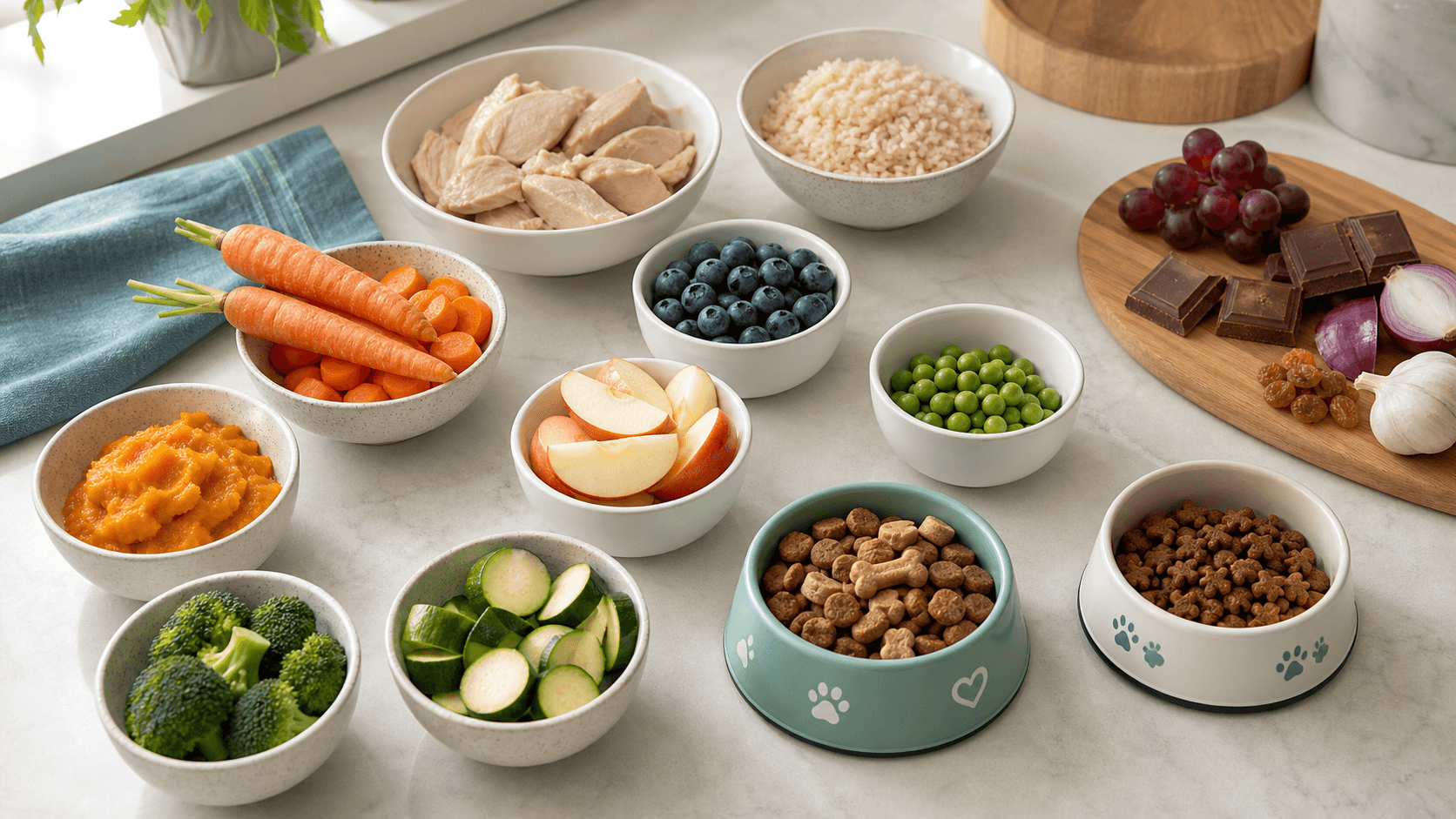
Quick answer
Milk is not recommended for most cats because many adult cats are lactose intolerant.
First checks before you decide what to do
Food safety depends on the exact ingredient, the amount eaten, your pet's size, and whether there are added sweeteners, spices, fat, bones, pits, skins, wrappers, or seasonings. Do not rely on the food name alone. Check the ingredient label and save the package if your pet already ate it.
If the food may be toxic, if you see repeated vomiting, breathing trouble, collapse, seizure, severe weakness, or unusual behavior, call a veterinarian, emergency animal hospital, or animal poison control service promptly. This page is educational and cannot calculate a safe amount for an individual dog or cat.
Why it may be safe or unsafe
- Milk can cause diarrhea or stomach upset.
- It does not replace water or a complete diet.
- Kittens have specific nutritional needs and should not be managed with cow's milk without veterinary guidance.
Symptoms to watch
- Vomiting, diarrhea, appetite changes, itchiness, gas, or unusual tiredness.
- Any symptom that is severe, repeated, or paired with weakness.
What to do if eaten
- Remove the food and monitor for stomach upset or behavior changes.
- Call a vet if your pet ate a large amount, has a medical condition, or develops symptoms.
- Keep packaging or ingredient details available for the vet.
Information to have ready for the clinic
- Whether the pet is a cat, their approximate weight, age, and known medical conditions.
- The exact milk product, ingredient list, brand, and whether it contained sweeteners or seasoning.
- How much may have been eaten and the most likely time of exposure.
- Any vomiting, diarrhea, drooling, weakness, wobbliness, breathing change, tremor, collapse, or seizure.
- Photos of the package, nutrition label, and ingredient label.
- Whether other pets in the home may also have eaten the same food.
Safer alternatives
- Fresh water
- Complete cat food
- Vet-recommended kitten formula when appropriate
Food safety sources to keep handy
Food toxicity advice changes by ingredient and exposure details. Use these owner-facing resources for general safety context, then contact a veterinarian or poison control service for a pet-specific decision.
FAQ
Is milk safe for cats?
milk is a caution food. The safest choice depends on the amount, ingredients, your pet's size, and any existing health issues.
What if my cat already ate milk?
Check the amount, timing, ingredients, and symptoms. For toxic foods, suspected toxins, repeated vomiting, breathing trouble, collapse, or severe lethargy, seek veterinary help right away.
Can I use this page instead of a vet?
No. This page is educational and cannot judge your pet's full medical situation. Contact a licensed veterinarian for medical decisions.
Related food guides
Editorial review note
This guide uses original educational content prepared for veterinary review. Before medical publication at scale, add a named veterinary reviewer, current veterinary references, and a source list for toxicology or nutrition claims.